Feb 10, 2026
January & Season Recap: Winter Finally Arrived, and So Did the Birds
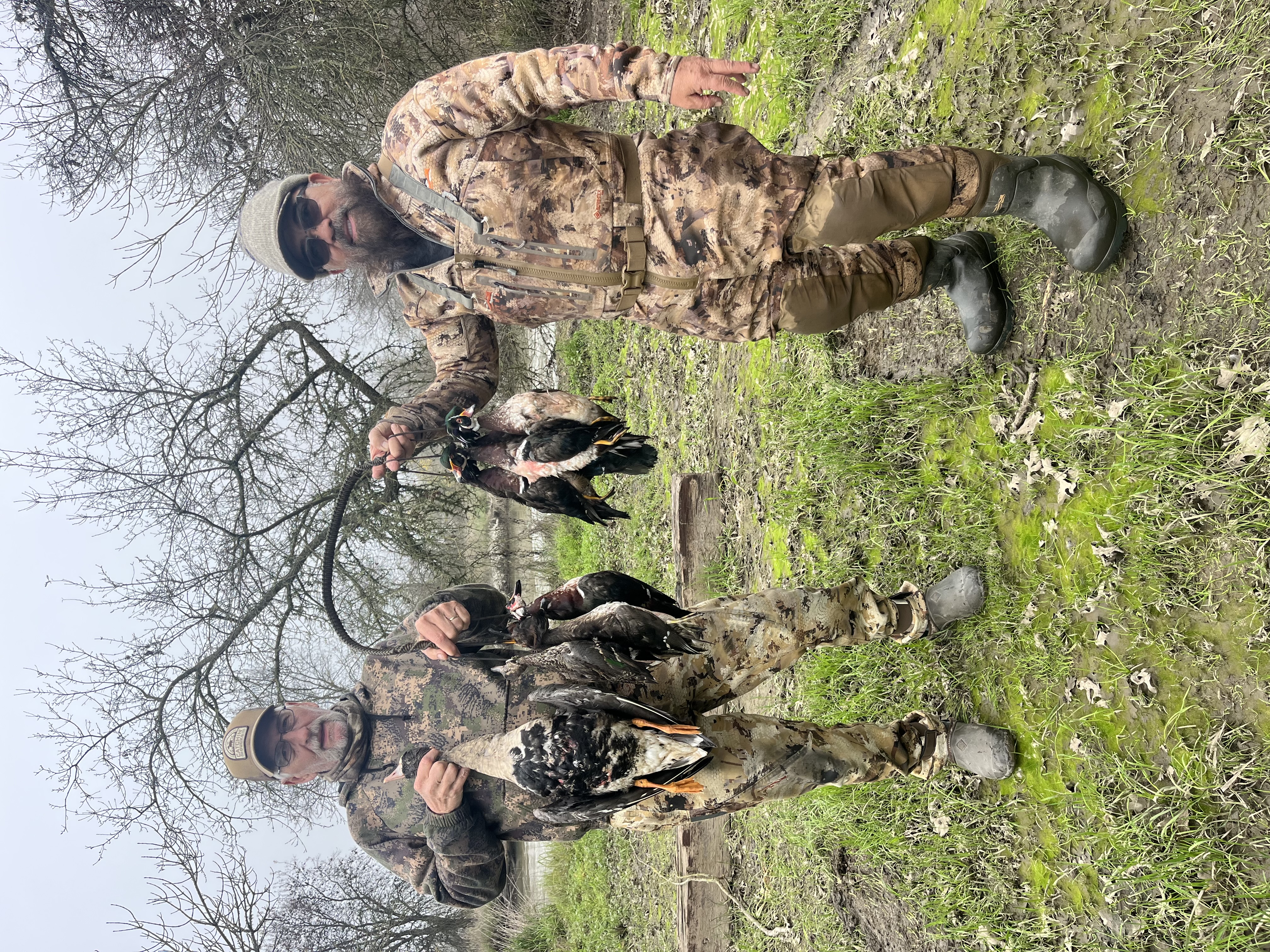
As the 2025–26 waterfowl season came to a close, January proved to be the turning point many hunters had been waiting for. California finally experienced sustained winter conditions in January, including colder overnight temperatures, increased fog frequency, and more consistent wind events across the Sacramento Valley, Delta, and Suisun Marsh.
Earlier in the season, prolonged mild weather and limited storm activity slowed migration and kept bird movement inconsistent. But as winter patterns locked in late, bird numbers increased noticeably across CWA properties, and hunters were rewarded with improved flights and stronger late-season action.
January in Review
January delivered some of the most consistent hunting of the season, with birds becoming more predictable as they settled into wintering areas. NOAA data shows that late-January cold snaps and fog helped concentrate ducks and geese, particularly in the Delta and Suisun Marsh. Many properties that struggled earlier on saw their highest bird abundance of the year during the final weeks of the season.
CWA Property Highlights (Season Totals)
Butte Creek Island Ranch (Butte Sink)
Butte Creek Island Ranch finished the season with a 1.72 bird average, with 215 birds harvested. Wood ducks were the most harvested species. January brought improved bird numbers as colder conditions increased daily movement.
Denverton (Suisun Marsh)
Denverton closed out the season with a 1.22 bird average and 500 birds harvested. Green-winged teal and northern shovelers were nearly tied for most harvested species. January conditions helped stabilize bird use across the marsh.
Grizzly Ranch (Suisun Marsh)
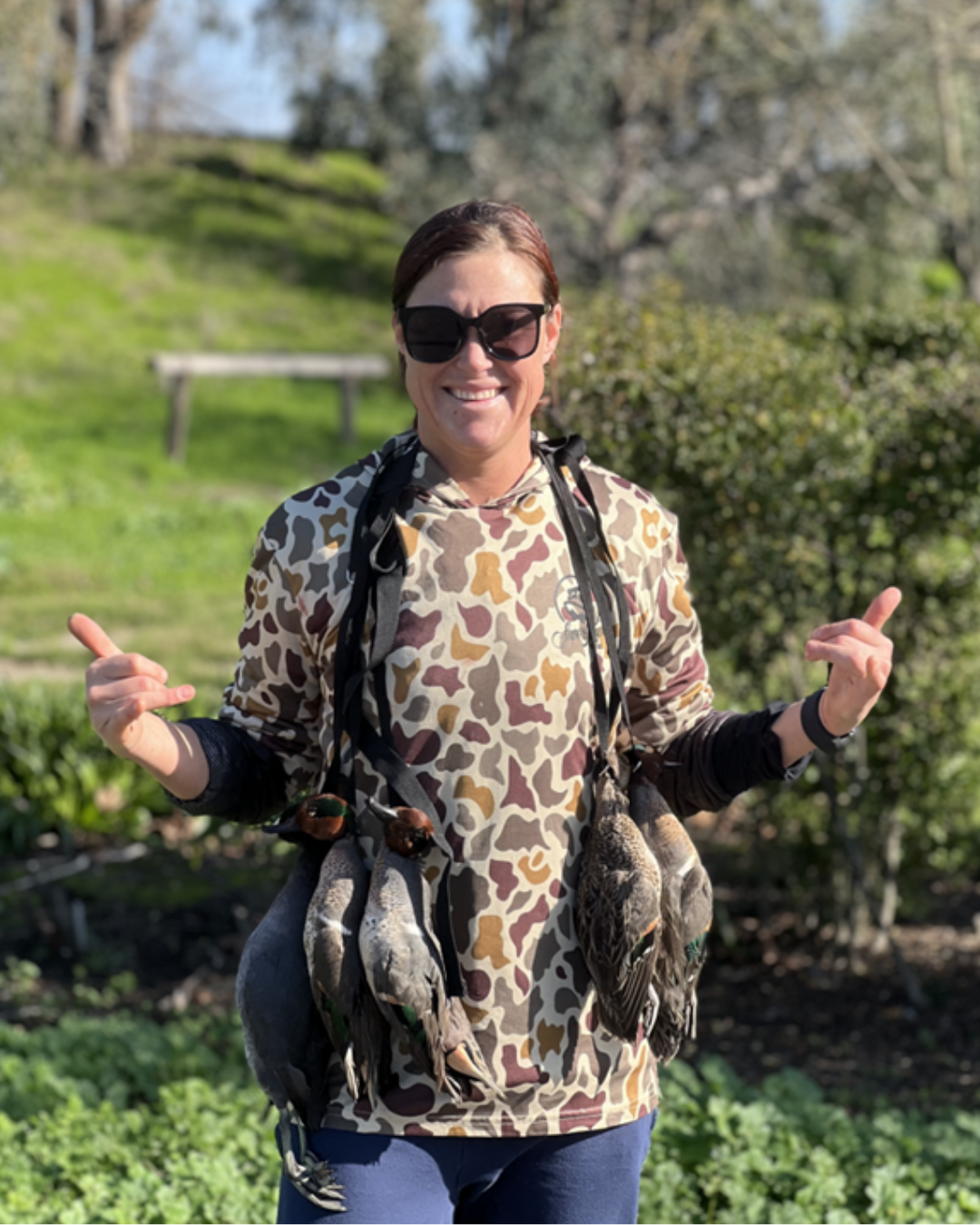
Grizzly Ranch ended the season as a top performer with a 2.54 bird average and 1,719 birds harvested. Green-winged teal led the harvest.
Potrero (Suisun Marsh)
Potrero, adjacent to Denverton, finished its first season as a CWA hunting property with a 1.61 bird average and 617 birds harvested, dominated by northern shovelers. January bird abundance confirmed the property’s long-term potential, and we’re excited to continue hunting it next season.
Quimby Island (Sacramento–San Joaquin Delta)
Quimby Island posted a strong 2.62 bird average with 347 birds harvested, primarily mallards. January fog and colder mornings created ideal conditions, making late-season hunts some of the most productive of the year.
Sanborn Slough (Butte Sink)
Sanborn Slough wrapped up the season with a 2.20 bird average and 588 birds harvested. Green-winged teal and wigeon tied for the most harvested species. January weather helped keep birds active and concentrated.
Staten Island (Sacramento–San Joaquin Delta)
Staten Island stood out throughout the season, closing with a 4.26 bird average and 1,453 birds harvested. Aleutian geese and green-winged teal tied for the most harvested species. Who said you have to choose between ducks or geese? Staten said you can have them both!
Weather & Migration: A Season Defined by Timing
NOAA seasonal summaries confirm that this was a year where weather timing mattered more than totals. The lack of early storms and persistent warmth delayed migration, but once winter finally arrived in January, birds responded quickly.
Late-season fog, cold nights, and short daylight hours encouraged birds to remain active during legal shooting hours, improving hunter success across multiple regions.
Season Highlights & Milestones
Despite early challenges, the season delivered moments worth celebrating:
· Abundant birds across properties in late January
· The first long-tailed duck harvested on a CWA property
· Continued harvest of banded geese in the Delta
· Completion of the teal trifecta at Grizzly Ranch and Goose Lake
· Successful first season of hunting at Potrero
In Closing
As the 2025–26 season comes to an end, we’re left with a sense of gratitude and optimism. While the road there wasn’t always easy, the final weeks of January reminded us why we do this: cold mornings, full skies, and birds finally settling into the places we’ve worked so hard to protect.
This season gave us milestones worth celebrating, lessons that will make us better, and renewed confidence in the value of strong habitat and committed stewardship. From historic harvests and banded birds to late-season abundance across our properties, the finish was one to remember.
Thank you to every CWA member and hunter who showed up, stayed patient, and shared the blind with us this year. We’re already looking ahead to next season with excitement, fresh perspective, and the belief that the best days are still ahead — because in waterfowl hunting, hope always flies just ahead of the next sunrise.