Jan 9, 2026
December Hunt Report: Cold Mornings, Steady Birds & Winter Patterns Taking Shape
December marked a turning point in the season, with cooler temperatures, increased fog, and periodic wind events beginning to shape bird movement across California. According to NOAA observations, Northern and Central California experienced below-average overnight temperatures and more frequent Tule fog, both of which tend to concentrate birds and improve morning flights.
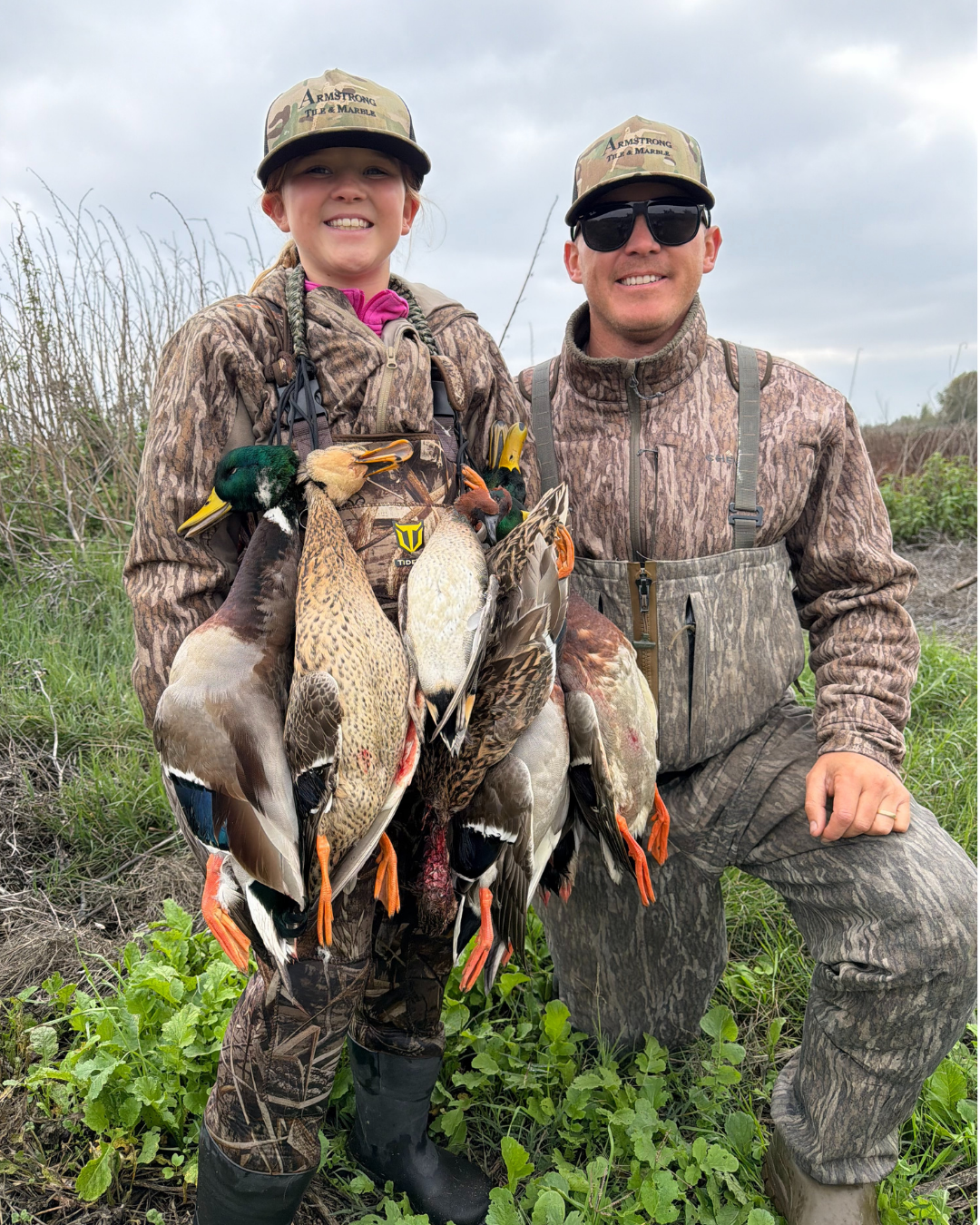
While major storm systems remained limited, the combination of colder nights and shorter days helped settle birds into winter patterns. Hunters across CWA properties have continuously reported solid experiences, steady opportunities, and encouraging signs heading into the heart of winter.
Property Highlights:
Butte Creek Island Ranch (Butte Sink)
Butte Creek Island Ranch is currently averaging 1.53 birds per hunter since the beginning of the season. Wood ducks and wigeon continue to lead the harvest. With stable water, strong feed conditions, and colder mornings becoming more consistent, this property remains positioned for steady January hunts.
Denverton (Suisun Marsh)
Denverton holds a 1.41 bird average season-to-date, with northern shovelers (spoonies) making up the majority of the harvest. As winter patterns lock in and birds concentrate in the Suisun Marsh, Denverton should see increased harvest.
Grizzly Ranch (Suisun Marsh)
Grizzly Ranch continues to be one of our strongest performers, averaging 2.45 birds per hunter since opening day. Green-winged teal have led the species harvested. NOAA temperature trends suggest continued cold overnight lows, which should keep birds working and using this property regularly into January.
Potrero (Suisun Marsh)
Potrero has posted a 1.84 bird average since the beginning of the season, with shovelers again leading the harvest. Adjacent habitat and reliable water make Potrero well-suited for holding winter birds as migration slows and local movement becomes the primary driver of success.
Quimby Island (Sacramento–San Joaquin Delta)
Quimby Island is currently averaging 2.37 birds per hunter, with mallards leading bag numbers. Delta fog, calm mornings, and colder nights — all noted in NOAA December summaries — often improve mallard movement, making Quimby a dependable late-season option.
Sanborn Slough (Butte Sink)
Sanborn Slough holds a 1.88 bird average season-to-date, with wigeon leading species harvested. As winter progresses and birds settle into consistent feeding patterns, Sanborn remains a strong property for reliable action.
Staten Island (California Delta)
Staten Island saw a noticeable shift in December, with more ducks entering the harvest compared to the early-season goose-heavy bags. The property is currently averaging 4.03 birds per hunter since the end of November. While Aleutian and greater white-fronted geese (specks) still lead overall species harvested, increased duck activity has added diversity to December hunts and bodes well for January.
Weather & Bird Movement: December Into January
NOAA climate summaries and outlooks indicate:
· Below-average overnight temperatures across much of Northern and Central California, helping keep birds active during daylight hours
· Increased fog frequency, especially in the Sacramento Valley and Delta, which often concentrates birds and improves mid-morning flights
· Limited but meaningful wind events, which can trigger short bursts of movement rather than prolonged migration
As we move into January, large migration pushes are less likely. Instead, success will hinge on weather timing, local movement, and wintering bird behavior — conditions where CWA properties historically perform well.
December Into January Important Reminder: Mute Swan Season Opens in January
With mute swan season opening in January, hunters should be especially mindful of proper species identification. Mute swans can be easily confused with other swan species but are distinguishable by:
· Orange bills with a prominent knob
· Curved (“S-shaped”) neck posture when swimming
· Generally larger size and heavier appearance
We strongly encourage all hunters to review identification materials and be absolutely certain before taking a shot. Correct identification is critical for ethical harvest and continued hunting opportunities.
In Closing
December showed encouraging signs of a season settling into its stride. With steady averages, improving winter conditions, and diverse opportunities across all regions, CWA members have much to look forward to as we head into January.
Thank you to all of our hunters for your continued support, patience, and commitment to conservation. Whether it’s a slow foggy morning or a fast winter flight, your time in the field helps sustain California’s wetlands and hunting heritage.
Stay tuned for January’s update — winter is here, and the best hunts may still be ahead.