Feb 11, 2026
California Waterfowl and Partners Continue to Deliver Water to Klamath
In December, California Waterfowl shared an update on the urgent water crisis facing the Klamath Basin — one of the most important waterfowl landscapes in the Pacific Flyway. The Klamath refuges support millions of migrating and wintering birds each year, and when sufficient water doesn’t reach them, the consequences ripple far beyond the Basin itself, affecting waterfowl and hunters across California and the West.
At the start of the season, those refuges were facing severe water shortages that threatened to leave tens of thousands of acres dry during a critical period for migration and wintering birds. Recognizing the scale of the risk, CWA stepped in alongside key partners to help keep habitat wet when it mattered most. Working with the California Department of Fish and Wildlife, Tulelake Irrigation District, U.S. Fish and Wildlife Service and Klamath Drainage District, CWA helped secure grant funding and covered pumping costs to move water onto refuge lands.
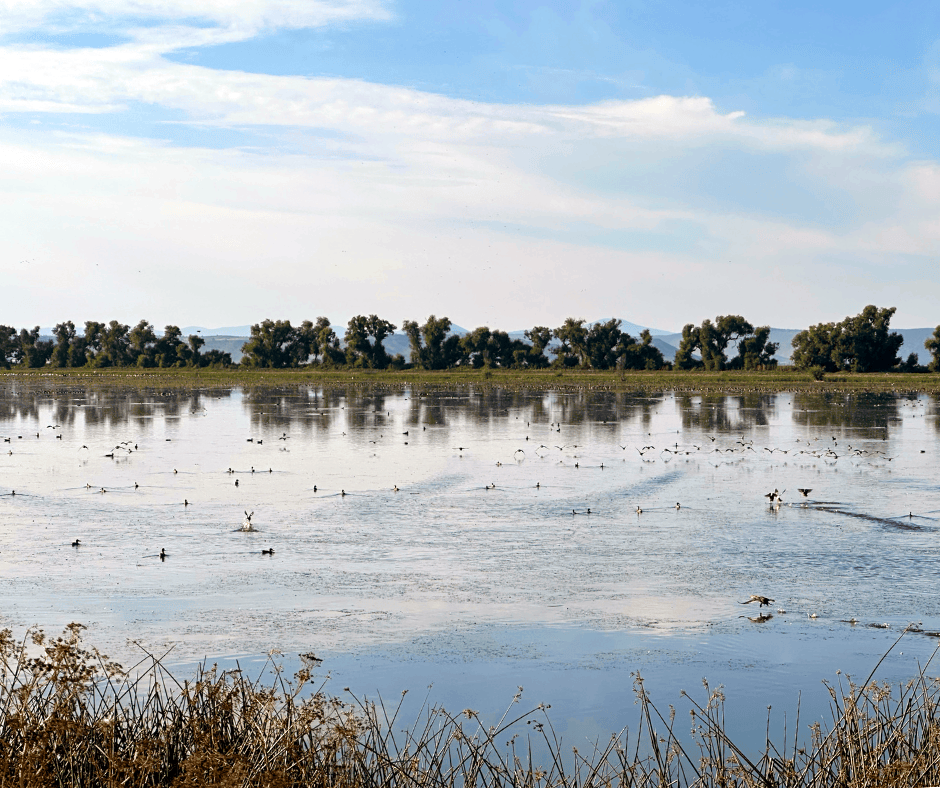
At the time of our December update, those efforts had delivered approximately 40,000 acre-feet of water to the Klamath refuges. Since then, continued pumping and coordination have increased that total to more than 60,000 acre-feet of water delivered since October. That water has supported the flooding of more than 37,000 acres of habitat, much of which would have remained dry without this coordinated response and the financial commitment required to make it happen. As a result, water helped produce ducks at a level not seen since the late 1980s and early 1990s, curb botulism, support fish and migratory birds and increase hunting opportunities.
This effort highlights both the importance of the Klamath Basin and the role California Waterfowl plays when waterfowl habitat is at risk. In years like this, rapid action, financial commitment, and trusted partnerships can mean the difference between dry ground and functioning wetlands.
Looking ahead, California Waterfowl is focused on building durable, long-term solutions that reduce uncertainty for Klamath refuges in future years. This means the California Waterfowl advocacy team will continue working in Washington, D.C., and Sacramento to search for a long-term solution that includes increased operating and staffing budgets to support the refuges. This will also entail CWA working with the refuges on large-scale water delivery infrastructure and wetland restoration projects. In the meantime, CWA also seeks to deliver a minimum of 25,000 acre-feet of water per year, which would cost approximately $500,000 annually.
To help CWA meet its conservation goals in Klamath, donate to the Klamath Fund or reach out to CWA Vice President of Fund & Membership Scott Mueller at smueller@calwaterfowl.org. All donor contributions to the fund will go directly toward obtaining more water deliveries, improving water infrastructure and other related efforts to maximize conservation success in the region.